Durable Retaining Wall Solutions for Sloped Properties
June 18, 2026
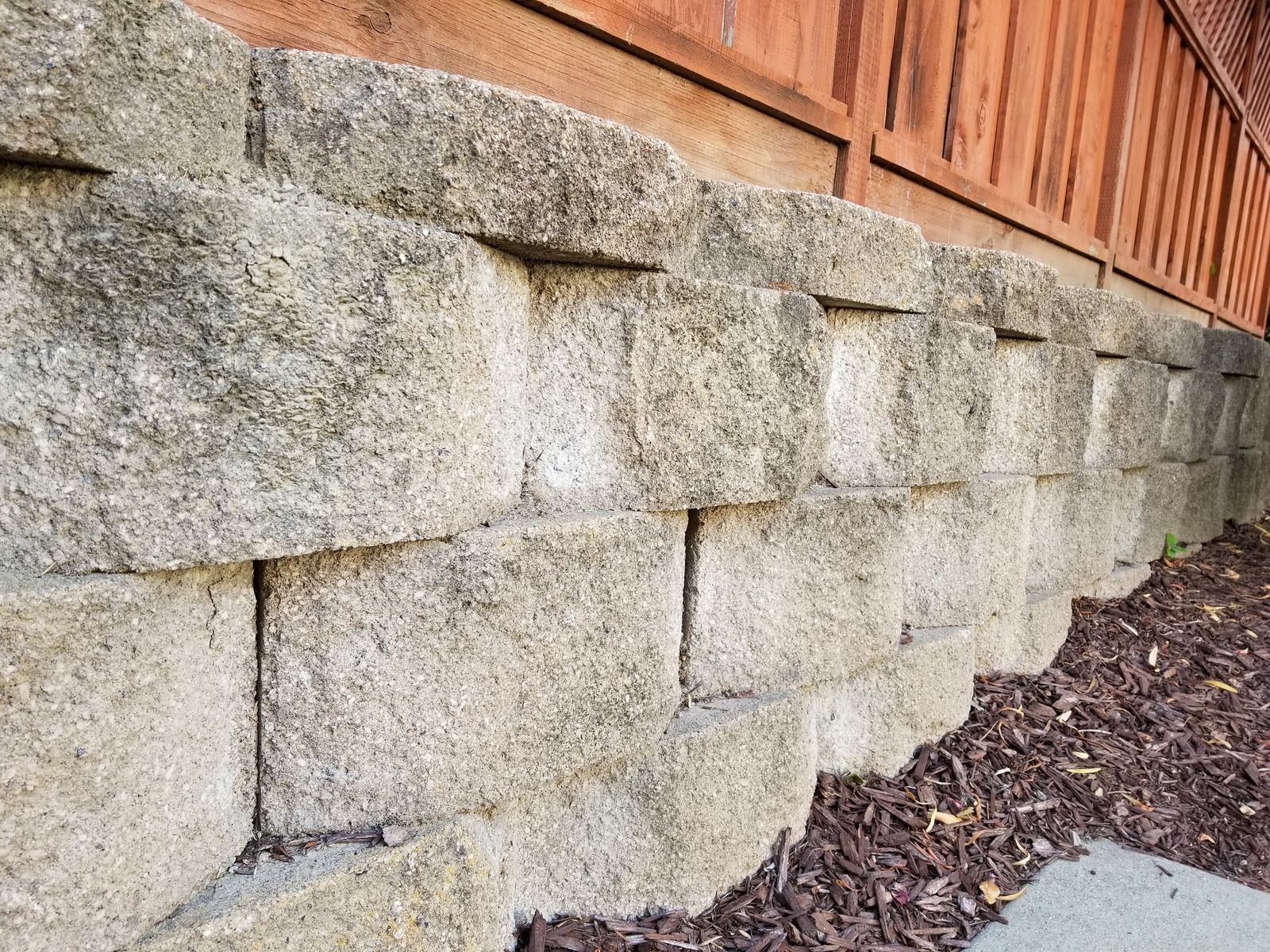
Sloped properties present a unique set of challenges that flat terrain simply does not. Soil erosion, water runoff, unstable foundations, and limited usable outdoor space are all common problems that homeowners and property developers face when working with uneven land. A well-built retaining wall addresses all of these issues at once, turning a difficult landscape into a functional and visually appealing one.
The demand for retaining wall construction has grown steadily as more residential and commercial projects are developed on hillside lots and graded terrain. Choosing the right material, design, and drainage strategy is not just an aesthetic decision. It is a structural one that directly affects how long your wall stands and how well your property holds together under pressure from soil, water, and gravity. This blog walks through what makes a retaining wall truly durable, which materials hold up under real-world conditions, and what property owners need to know before breaking ground.
Why Retaining Walls Matter on Sloped Properties
The Problem With Untreated Slopes
Left unaddressed, a sloped property loses soil with every rainstorm. That soil takes nutrients, mulch, and stability with it. Over time, the slope erodes at the base, creating movement that can damage foundations, driveways, walkways, and planted areas. In steeper terrain, this erosion can accelerate dramatically after heavy rainfall.
Retaining walls interrupt this process by holding a defined volume of soil in place behind a reinforced structure. When designed and built correctly, they redistribute the lateral pressure of the soil load across a stable base and manage water drainage at the same time.
Beyond Erosion Control
A retaining wall does more than stop soil from moving. It creates flat, usable space on an otherwise unworkable hillside. Homeowners gain level patios, garden beds, driveways, and outdoor living areas where none were possible before. Commercial properties gain parking, landscaping space, and safer pedestrian paths. The structural value and the practical livability benefits make retaining walls one of the highest-return improvements on a sloped lot.
Retaining Wall Materials: A Practical Comparison
Not every material performs the same way across all site conditions. Below is a comparison of the most common options based on durability, load capacity, and long-term maintenance.
| Material | Typical Lifespan | Load Capacity | Maintenance Level |
|---|---|---|---|
| Poured Concrete | 50+ years | Very High | Low |
| Concrete Block (CMU) | 40 to 50 years | High | Low to Moderate |
| Natural Stone | 30 to 50 years | Moderate to High | Low |
| Timber | 10 to 20 years | Low to Moderate | High |
| Segmental Retaining Wall Blocks | 20 to 40 years | Moderate | Low |
Poured Concrete
Poured concrete walls are among the strongest options available. They handle heavy soil loads, resist water penetration, and do not shift or crack under normal pressure when reinforced with rebar. They are also highly adaptable to irregular terrain and can be formed into curves or tiered configurations.
Concrete Masonry Units (CMU)
Concrete block walls give similar structural performance with slightly more flexibility in design. Individual blocks can be replaced if one section is damaged, which makes localized repairs more manageable. We often use CMU in projects where a finished wall needs to match existing architectural elements on the property.
Natural Stone
Stone walls carry a timeless look that blends naturally into hillside landscapes. Dry-stacked stone walls rely on the weight and interlocking of individual stones for stability, while mortared stone walls provide greater structural strength. Stone is highly durable when installed by experienced hands but requires careful selection for uniformity of load distribution.
Drainage: The Factor Most Homeowners Underestimate
No retaining wall will last without a working drainage plan built into its design. Water is the primary force that causes retaining walls to fail. When soil behind the wall becomes saturated, it expands and increases the lateral pressure on the wall significantly. Over time, this hydraulic pressure pushes walls out of alignment, causes cracking, or leads to complete structural failure.
Drainage Solutions That Work
Weep holes are openings built into the base of a wall that allow trapped water to escape before pressure builds. They are standard practice in concrete and CMU wall construction.
French drains run perforated pipe along the base of the wall behind the retained soil. Water that percolates down through the soil enters the pipe and is carried away from the wall rather than accumulating at its base.
Gravel backfill replaces compacted soil directly behind the wall with crushed gravel or drainage aggregate. This material does not retain water the way clay-heavy soil does, which dramatically reduces hydraulic pressure.
A complete drainage system typically combines all three of these methods. Skipping any one of them increases the risk of premature failure, regardless of the wall material or construction quality.
Engineering Considerations for Taller Walls
Walls under four feet tall can often be built without formal engineering in many jurisdictions. Once a wall exceeds four feet in retained height, local building codes typically require a structural engineer's involvement. This is for good reason.
Footing Depth and Width
The footing is what keeps the wall from sliding or tilting. It must extend below the frost line in colder climates to prevent seasonal movement. In Concord, California and surrounding areas, footings are designed to address seismic considerations in addition to soil load.
Reinforcement Requirements
Taller poured concrete walls require specific rebar placement and spacing based on the calculated soil pressure. Under-reinforced walls may look solid from the outside but fail under conditions they were not built to handle.
Tiered Walls on Steep Slopes
When a slope requires more than six to eight feet of retained height, a single tall wall is often not the right solution. Tiered retaining walls break the slope into multiple shorter walls with level terraces between them. Each wall carries a smaller individual load, the combined system handles the full height of the slope, and the terraces become usable outdoor space in the process.
Common Retaining Wall Mistakes to Avoid
Even with quality materials, certain construction shortcuts lead to premature wall failure. Understanding these mistakes helps property owners ask the right questions before and during any project.
Inadequate compaction behind the wall. Loose backfill settles unevenly and creates voids that shift the load distribution. Proper compaction in layers behind the wall prevents this.
No drainage system. This is the most frequent cause of retaining wall failure. A wall with no drainage strategy will eventually fail from water pressure alone.
Ignoring soil type. Clay soils hold water and expand significantly when wet. Sandy soils drain well but provide different load characteristics. The wall design must account for the actual soil composition on the site.
Undersized footing. A footing that is too narrow or too shallow will allow the wall to tilt forward over time as the soil load pushes against it.
Wrong material for the application. Timber may look appealing for a garden wall but is not appropriate for a load-bearing application on a steeply sloped lot with significant soil movement.
Retaining Wall Work Built on Decades of Concrete Knowledge
Retaining walls on sloped properties serve a purpose that goes well beyond appearance. They protect soil, create usable land, manage water drainage, and preserve the structural integrity of everything around them. The right wall material, proper engineering, and a sound drainage plan are the three elements that determine whether a retaining wall stands for decades or begins to show stress within a few years. Whether you are working with a residential hillside lot or a commercial property with significant grade changes, the decisions made during design and installation determine every long-term outcome.
At Aloha Concrete and Design, we bring over 20
years of hands-on experience to every retaining wall project we take on in Concord, California and the surrounding region. We specialize in concrete and design work across residential and commercial properties, with deep expertise in sloped terrain, drainage engineering, and structural concrete construction. Our work spans poured concrete walls, CMU construction, tiered retaining systems, and decorative concrete finishes that hold up to real-world conditions. We approach every project with attention to site-specific soil conditions, local building codes, and long-term structural performance. When a property presents a grade challenge, we design and build solutions that are both functional and built to last. Property owners across Concord trust us because we do not cut corners on drainage, reinforcement, or footing depth. If you have a sloped property and you want a retaining wall that holds, we have the experience and the technical foundation to build it right.
Frequently Asked Questions
How deep should a retaining wall footing be?
Footings should extend at least 12 inches into undisturbed soil, but taller walls or frost-prone areas require deeper placement. A structural engineer determines the exact footing depth based on wall height, soil type, and local conditions.
What is the maximum height for a retaining wall without a permit?
In most jurisdictions, walls retaining soil up to four feet high do not require a permit. Anything taller typically requires engineering drawings and a building permit before construction begins.
How long does a concrete retaining wall last?
A properly built poured concrete retaining wall with adequate drainage and rebar reinforcement can last 50 years or longer. Longevity depends on drainage quality, footing depth, and soil conditions behind the wall.
Can I build a retaining wall on a steep slope without tiering?
A single wall can handle moderate slopes, but steep terrain requiring more than six to eight feet of retained height is better served by tiered walls. Tiered systems distribute the load and reduce the structural demands on any single wall.
What causes retaining walls to lean or bow outward?
Outward lean is almost always caused by excessive water pressure building up behind the wall. Poor or absent drainage allows saturated soil to push against the wall with force that exceeds its design capacity. Correcting the drainage system is the first step in any repair.