How Do Retaining Walls Improve Both Form and Function?
May 11, 2026
Retaining walls play a critical role in modern landscape design, offering a balance between structural necessity and visual enhancement. As outdoor spaces become extensions of living environments, property owners increasingly seek solutions that address elevation challenges while maintaining aesthetic appeal. Retaining walls serve this dual purpose by stabilizing soil, preventing erosion, and creating usable land in areas with uneven terrain. From residential yards to commercial developments, these structures contribute significantly to both safety and design efficiency. They also support infrastructure by protecting driveways, walkways, and nearby foundations from shifting soil and environmental stress. In regions with varying weather conditions, retaining walls provide added resilience against heavy rainfall and runoff. Their presence can significantly reduce long-term maintenance needs by preventing landscape degradation. This makes them an essential investment for property owners looking to maintain both structural integrity and outdoor usability over time.
Beyond their practical function, retaining walls have evolved into key architectural elements that elevate the overall appearance of a property. With a wide range of materials, textures, and design possibilities available, retaining walls can seamlessly integrate into various landscape styles. Whether used to define garden spaces, manage water flow, or support outdoor features, these structures provide long-term value when properly planned and constructed. Understanding how retaining walls improve both form and function allows property owners to make informed decisions that enhance durability, usability, and visual appeal in any outdoor setting. Additionally, retaining walls can be customized to complement existing architectural features, creating a cohesive outdoor design. Integrated elements such as lighting, seating, and planters further enhance their functionality and appeal. These enhancements transform retaining walls into multi-purpose features that contribute to both comfort and usability. As design trends continue to evolve, retaining walls remain a versatile solution that adapts to changing aesthetic and functional demands.
1. Structural Integrity and Soil Stabilization
Preventing Soil Erosion
One of the primary functions of retaining walls is to hold back soil and prevent erosion. Sloped landscapes are naturally prone to soil displacement due to rainfall, irrigation, and gravity. Without proper reinforcement, soil movement can lead to property damage, foundation issues, and loss of usable land. Retaining walls act as barriers that secure soil in place, ensuring long-term stability.
In real-world scenarios, properties built on hillsides often face significant erosion challenges. Installing a well-designed retaining wall system helps maintain the integrity of the land while protecting surrounding structures. Proper drainage integration further enhances performance by redirecting water away from vulnerable areas.
Enhancing Load-Bearing Capacity
Retaining walls are engineered to withstand pressure from soil and water buildup. This structural capability makes them essential in areas where elevation differences create uneven stress on the landscape. By redistributing weight and pressure, retaining walls prevent landslides and ground shifting.
Professional construction techniques, including reinforcement and proper material selection, ensure that retaining walls remain durable under varying environmental conditions. This level of structural support contributes to safer and more reliable outdoor environments.
2. Maximizing Usable Space
Creating Functional Outdoor Areas
Uneven terrain can limit how outdoor spaces are utilized. Retaining walls allow property owners to transform sloped land into flat, functional areas suitable for patios, gardens, seating areas, or recreational use. By carving out level surfaces, these walls expand the usability of otherwise challenging landscapes.
For example, a steep backyard can be converted into multiple tiered levels, each serving a distinct purpose. One level might feature a seating area, while another supports a garden or walkway. This layered approach enhances both functionality and visual interest.
Improving Accessibility
Retaining walls also contribute to better accessibility across different elevations. By incorporating steps, pathways, or terraces into the design, movement throughout the property becomes more convenient and safer. This is particularly valuable in residential settings where accessibility impacts daily use.
Strategically placed retaining walls can guide foot traffic and create defined zones, improving navigation while maintaining a cohesive layout. This thoughtful planning enhances the overall user experience of the outdoor space.
3. Enhancing Aesthetic Appeal
Design Versatility
Retaining walls are no longer purely utilitarian structures. Modern design options allow for customization that complements architectural styles and landscape themes. Materials such as concrete, natural stone, brick, and modular blocks provide diverse visual possibilities.
Textures, colors, and finishes can be selected to match or contrast with surrounding elements, creating a cohesive design. Whether aiming for a contemporary look or a more traditional appearance, retaining walls can be tailored to suit specific aesthetic goals.
Creating Visual Depth and Interest
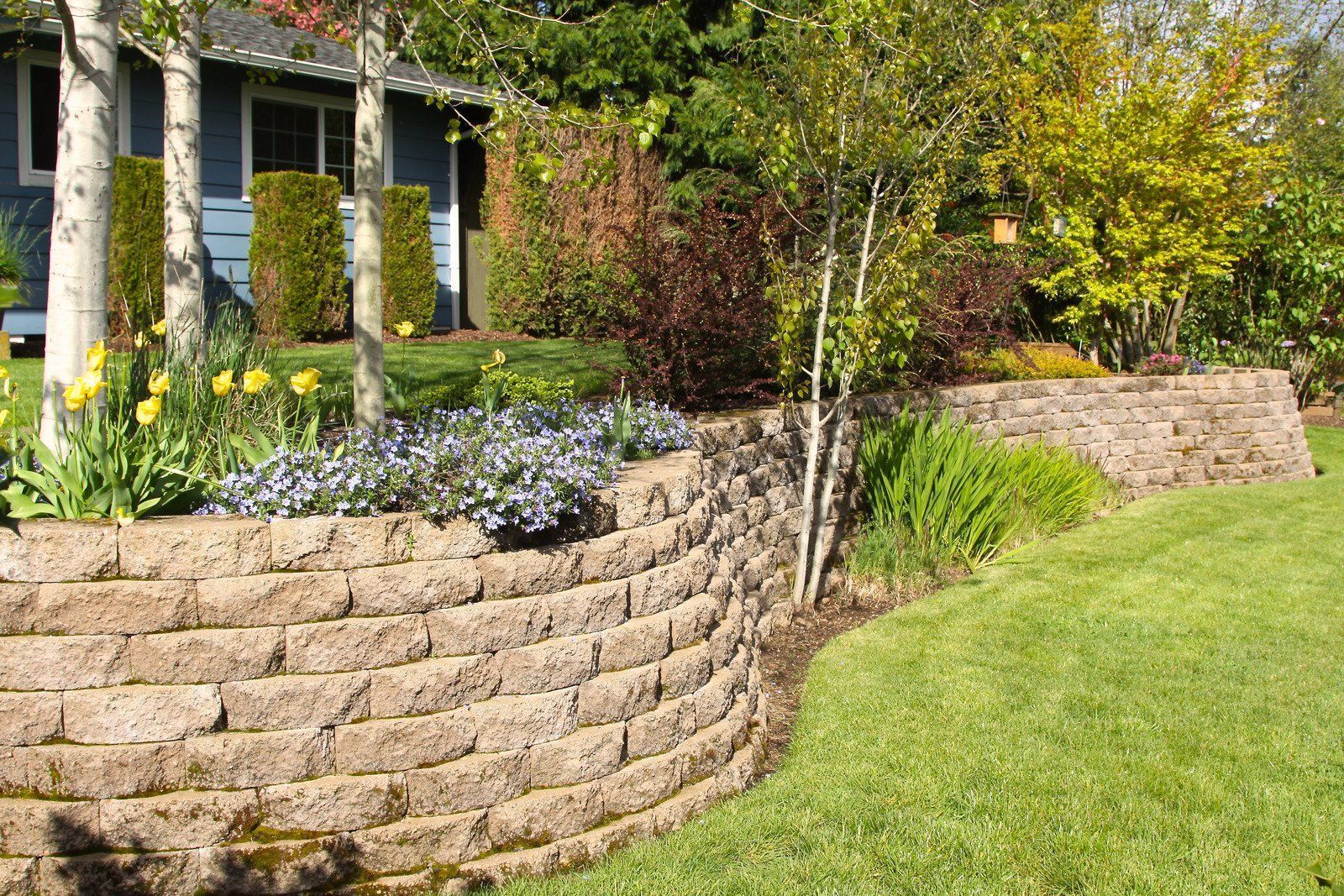
Incorporating retaining walls into landscape design introduces depth and dimension. Tiered walls, curved layouts, and integrated lighting features can transform a flat or uneven yard into a visually dynamic space.
For instance, layered retaining walls can highlight garden beds or water features, drawing attention to key focal points. This design approach not only enhances beauty but also increases the perceived value of the property.
4. Water Management and Drainage Solutions
Controlling Water Flow
Effective water management is essential for maintaining landscape health and structural stability. Retaining walls play a crucial role in directing water flow and preventing pooling or flooding. By integrating drainage systems such as weep holes, gravel backfill, and drainage pipes, retaining walls ensure proper water movement.
In areas with heavy rainfall, poor drainage can lead to soil saturation and structural failure. Retaining walls mitigate this risk by channeling water away from critical zones, preserving both the landscape and nearby structures.
Protecting Foundations
Excess water near building foundations can cause significant damage over time. Retaining walls help manage water distribution, reducing the risk of foundation cracks and structural issues. This protective function is particularly important in properties with varying elevations.
By controlling runoff and minimizing water accumulation, retaining walls contribute to the longevity of buildings and outdoor features. Proper installation and maintenance are key to ensuring consistent performance.
5. Increasing Property Value and Long-Term Investment
Boosting Curb Appeal
A well-designed retaining wall enhances the overall appearance of a property, making it more attractive to potential buyers or visitors. Clean lines, structured layouts, and integrated landscaping elements create a polished and professional look.
Properties with thoughtfully designed outdoor spaces often stand out in competitive markets. Retaining walls contribute to this appeal by adding both visual and functional value.
Delivering Long-Term Durability
Retaining walls are built to last when constructed with quality materials and proper techniques. Their durability makes them a worthwhile investment that provides ongoing benefits with minimal maintenance. Over time, the cost of installation is offset by reduced erosion, improved usability, and enhanced property value.
For property owners seeking sustainable solutions, retaining walls offer a balance between upfront investment and long-term returns. Regular inspections and maintenance help extend their lifespan and ensure continued performance.
6. Best Practices and Common Challenges
Proper Planning and Design
Successful retaining wall projects begin with careful planning. Factors such as soil type, slope gradient, drainage requirements, and load conditions must be evaluated before construction. Professional design ensures that the wall meets both structural and aesthetic requirements.
Ignoring these considerations can lead to issues such as wall failure, poor drainage, or uneven settling. Investing in proper planning reduces risks and ensures a more reliable outcome.
Addressing Common Challenges
Retaining walls can face challenges including water pressure buildup, material degradation, and improper installation. These issues often arise when shortcuts are taken during construction or when maintenance is neglected.
To avoid these problems, it is essential to use high-quality materials, follow engineering guidelines, and incorporate effective drainage systems. Regular maintenance, such as checking for cracks or drainage blockages, helps identify potential issues early.
Expert Recommendations
Working with experienced professionals ensures that retaining walls are designed and built to industry standards. Expert input helps navigate complex factors such as load calculations, material selection, and environmental conditions.
Additionally, incorporating sustainable practices—such as using eco-friendly materials or integrating vegetation—can enhance both performance and environmental impact. These strategies contribute to a more resilient and visually appealing landscape.
Experienced Professionals Building Durable Landscape Structures
Retaining walls offer a comprehensive solution for managing landscape challenges while enhancing visual appeal. By stabilizing soil, preventing erosion, and creating usable space, these structures address critical functional needs in both residential and commercial environments. At the same time, their design versatility allows them to contribute significantly to the overall aesthetics of a property. From improving water management to increasing accessibility, retaining walls provide practical benefits that extend beyond surface-level enhancements.
When properly planned and constructed, retaining walls become long-term assets that improve safety, usability, and property value. Understanding their dual role in form and function enables better decision-making and ensures successful project outcomes. As outdoor spaces continue to evolve, retaining walls remain an essential component in creating landscapes that are both durable and visually compelling.
Aloha Concrete and Design
stands as a trusted authority in the concrete and design industry, delivering reliable solutions backed by over 20
years of experience. Based in Concord, California, we specialize in creating retaining walls that seamlessly combine structural performance with refined aesthetics. Our approach focuses on precision, durability, and thoughtful design, ensuring every project meets both functional requirements and visual expectations. We prioritize high-quality materials, advanced construction techniques, and tailored solutions that align with specific landscape needs. Whether addressing erosion challenges or enhancing outdoor living spaces, our expertise ensures lasting results. By choosing us, property owners gain a partner committed to excellence, innovation, and long-term value.