Spider Web Cracks Across an Older Concrete Slab? Repair, Resurface, or Replace?
October 15, 2026
Quick Answer: Spider web cracks on an older concrete slab fall into two very different groups. Fine, shallow, hairline patterns that cover the surface but leave the slab flat and tight are usually cosmetic, and they can be sealed or covered with a bonded resurfacing layer. Wider cracks, cracks with one side sitting higher than the other, and any pattern that comes with sinking or heaving point to a problem underneath, and no surface treatment will hold over a moving base. The deciding factors are crack width, whether the pieces still sit level with each other, and whether the slab sounds solid when tapped. Sort the slab into one of those groups first, and the choice between repair, resurfacing, and replacement becomes much clearer.
You step out to wash the car or sweep the driveway and the light catches it. Across the surface of the old slab, a network of fine lines has spread out like a cracked windshield, branching and reconnecting in a pattern that was not there a few years ago. Some of the lines are so thin you can barely feel them with a fingernail. Others have started to collect dirt and show up dark after rain. You are not sure whether you are looking at normal aging or the first sign that the whole slab is on its way out.
That uncertainty is the real problem, because the same spider web look can come from very different causes. One slab has a cosmetic surface issue that a good resurfacing job can hide for years. Another is telling you the ground underneath has shifted and the concrete is just the messenger. Treating the second kind like the first is how people end up paying for a fresh surface that cracks again within a season or two.
What Spider Web Cracks Actually Are
The pattern goes by several names, including map cracking, crazing, and alligator cracking, and the name matters less than what is happening beneath it.
Crazing Is A Surface Condition
Crazing creates fine, shallow cracks forming irregular patterns across concrete. Rapid drying, excess finishing water, or hot, windy conditions commonly cause these harmless surface imperfections.
Structural Cracking Looks Similar From A Distance And Behaves Very Differently
Structural cracks are wider, deeper, and more connected. Soil movement, base settlement, erosion, or inadequate reinforcement can create extensive patterns indicating underlying concrete stability problems.
Age And Weather Add To Both
Wet winters and dry summers gradually allow moisture into concrete, widening existing hairline cracks. Persistent moisture can turn previously harmless surface imperfections into more serious deterioration.
Why East Bay Slabs Crack in This Pattern
Driveways and patios around Concord, Walnut Creek, Clayton, and Martinez sit on some of the most reactive ground in California. Expansive clay soaks up water during the rainy months and swells, then dries and shrinks through the long dry summer. That movement is small on any single day, but it repeats every year for as long as the slab is there.
A slab placed on a well compacted, well drained gravel base rides that cycle out with little damage, because the base keeps the clay from pushing directly on the concrete and carries water away. An older slab laid on a thin base, or directly on native clay, takes the full movement. The concrete flexes a little with each season, hairlines form, and they connect into a web over the years.
Hillside lots in Lafayette and Orinda add another factor. Water that moves downhill under and around a slab can soften the base unevenly, so one corner settles while the rest stays put. The cracks near that corner look like the others at first, but they are connected to a real shift in the support.
How to Read Your Own Slab Before You Call Anyone
You can sort most slabs into the cosmetic group or the structural group with a short walk and a few simple checks. None of it needs tools beyond a hose, a credit card, and a straight board.
Check The Width Of The Cracks
Cracks wider than a credit card generally need proper repair before resurfacing. Mostly hairline cracks with few wider gaps are often repairable.
Look For Any Difference In Height Across A Crack
Run your hand or shoe across cracks. Height differences around a quarter inch indicate slab movement, suggesting base problems that surface repairs cannot fix.
Tap The Surface And Listen
Tap cracked areas lightly with a hammer. A solid sound indicates sound concrete, while hollow sounds suggest delamination that prevents overlays from bonding properly.
Watch How Water Behaves
Hose down the slab and observe drainage. Even runoff suggests intact grading, while pooling near cracks indicates settlement or tilting that may require base repairs.
Tip: Take photos of the slab in the late afternoon, when low sunlight makes every crack and height change stand out, and again after the first soaking rain of the season. Comparing the two sets of pictures shows you whether the web is stable or growing, and that single piece of information tells you more than any quick glance from the driveway.
When Repair Is Enough
If the cracks are fine, the slab is level, and the surface sounds solid, a repair may be all it takes to stop the problem from getting worse.
Sealing Keeps Water Out Of The Hairlines
Apply penetrating sealer to clean concrete to reduce moisture penetration, prevent stains, and slow crack widening. Reapply regularly to maintain protection through wet winters.
Individual Wider Cracks Can Be Cleaned Out And Filled
Route wider cracks to improve filler adhesion, then apply flexible repair material. This approach works best when wider cracks are limited and the slab remains flat.
Repair Does Not Change How The Slab Looks
Sealing preserves concrete but leaves visible crack patterns. When appearance matters more than structural repair, resurfacing provides a smoother, more uniform finish.
When Resurfacing Makes Sense
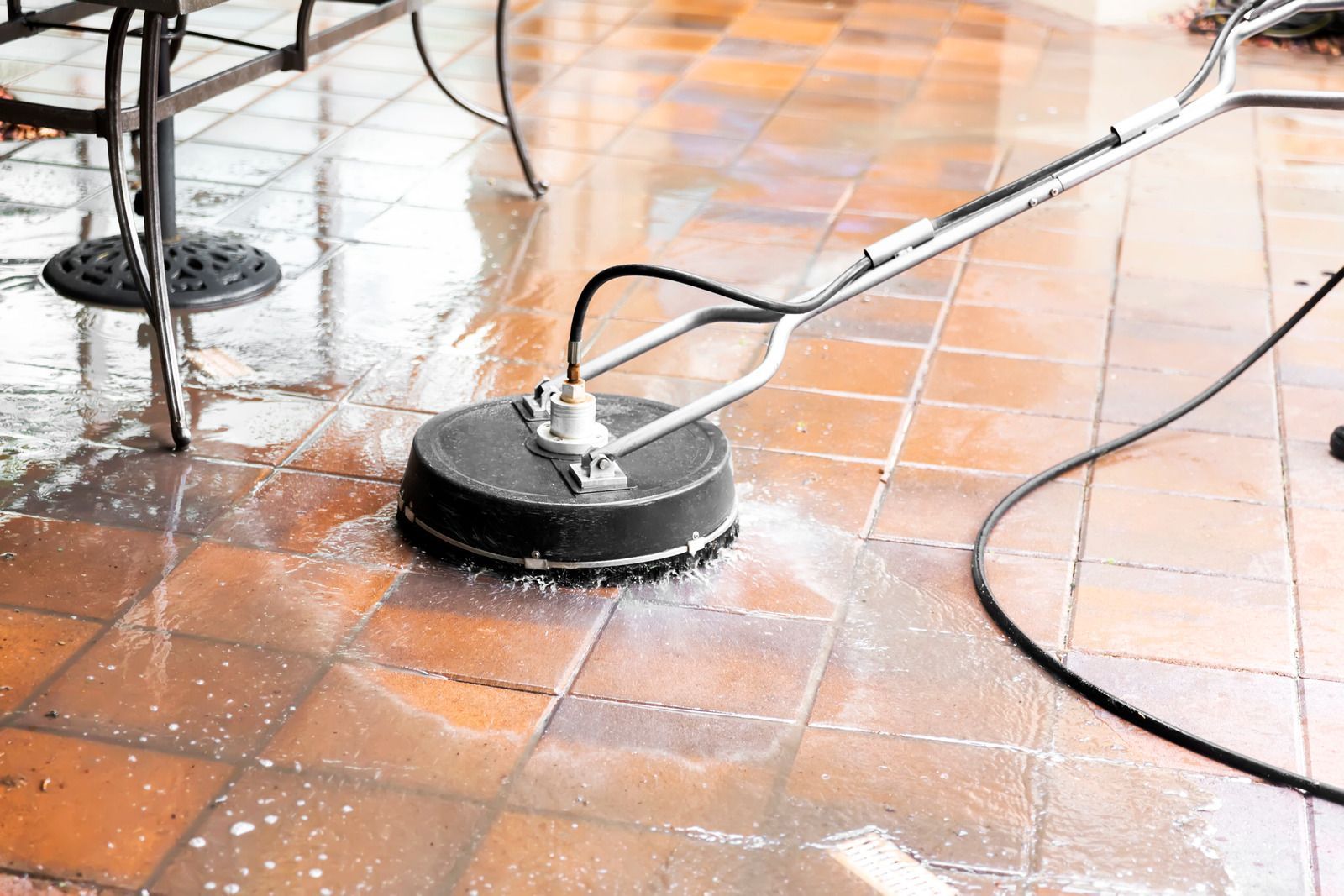
Resurfacing means bonding a thin layer of cement based material over the existing slab, usually with a prime coat, a base coat, and then the finish of your choice. It is a good answer when the concrete below is healthy and only the surface has aged badly.
A Sound Slab Is The First Requirement
Resurfacing bonds best to clean, stable concrete. Prime and base coats cover fine crazing, while wider cracks require repairs before applying new surfaces.
Preparation Decides How Long It Lasts
Remove oil, dirt, sealers, and loose concrete before roughening the surface. Proper professional preparation helps overlays bond securely and last ten years or longer.
Resurfacing Changes The Look
Choose broom finishes, stamped patterns, or colored surfaces to refresh tired driveways. Resurfacing also conceals fine crack networks, creating a cleaner appearance.
Resurfacing Does Not Fix What Is Happening Underneath
Overlays cannot stabilize soil or strengthen damaged slabs. Heaving, settling, or separated concrete causes recurring cracks, sometimes within months after resurfacing.
Warning: Do not agree to an overlay on a slab that is lifting, sinking, or sounds hollow. Even the best resurfacing material cannot hold on to concrete that is moving or separating underneath it, and the cracks will come back through the new surface along the same lines. Resurfacing a failing slab only delays the replacement and adds a layer that will have to be torn out with it.
When Replacement Is the Honest Answer
Some older slabs have simply reached the end of what repair can do, and recognizing that early saves wasted effort.
Height Differences Between Sections Mean The Base Has Failed
Uneven slab sections indicate settlement, erosion, or expanding clay beneath the concrete. Resurfacing cannot correct these underlying base problems or restore stability.
Wide, Deep Cracks Across Large Areas Point To A Slab That Is Too Thin Or Poorly Supported
Extensive connected cracks suggest inadequate thickness or support. Once concrete loses structural continuity, repeated patching becomes ineffective, making replacement a more practical solution.
Hollow Sounding Concrete Across Large Sections Is Past Saving
Dull, hollow sounds across extensive areas indicate separation between concrete layers. Widespread delamination weakens adhesion, making resurfacing unreliable and replacement necessary.
Replacement Lets The Problem Get Fixed At Its Source
Removing old concrete allows proper base correction through soil removal, gravel compaction, drainage grading, and reinforcement. A properly constructed slab better accommodates clay movement.
More retaining walls fail from water than from the soil load they were actually designed to hold.
Trapped water turns into pressure the wall was never sized for. When rain soaks into the backfill and has nowhere to go, it builds up as hydrostatic pressure directly behind the wall face, on top of the lateral earth pressure the wall is already resisting. That combined force is strong enough to bulge, crack, or push over a wall that would otherwise have held for decades. The wall usually isn't undersized. It's drowning.
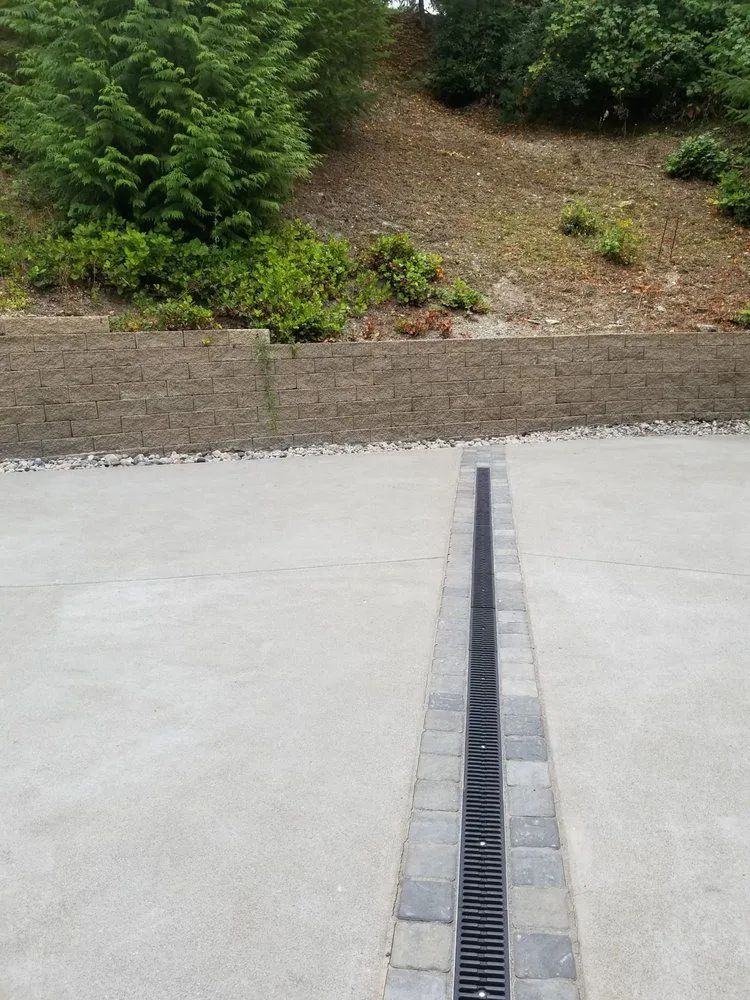
Drainage has to move water out faster than the slope delivers it. A properly built wall includes a layer of clean, compactable gravel behind it, wrapped in fabric to keep fine clay particles from clogging it, with a perforated drain pipe running along the base to carry water to a safe outlet away from the wall and the foundation below it. Weep holes or drain outlets built into the wall face give that water somewhere to go instead of building up behind the concrete or block.
Water Is the Wall's Real Opponent
Tip: Watch where water actually goes during and right after a storm, not just whether the yard looks dry a day later. A spot that stays soggy for days, or a downspout that dumps directly onto the slope above a retaining wall, is exactly the kind of concentrated water load that overwhelms drainage built for general rainfall. Point that runoff somewhere else and the wall's drainage system has a much easier job.
Frequently Asked Questions
Are spider web cracks in my driveway a structural problem?
Not always. Fine, shallow hairlines on a level, solid slab are usually cosmetic crazing. Wider cracks, uneven heights, or cracks that keep growing suggest the base or soil is moving.
Can a thin resurfacing layer cover cracks on an old slab?
It can cover fine hairlines, but wider cracks need repair first so they do not show through. The slab must also be sound, clean, and stable for the overlay to bond.
How can I tell whether my slab is hollow underneath?
Tap the surface with a hammer or drag a chain across it. A clear ring means solid concrete, while a dull, hollow sound means the top layer is separating from the slab.
Will sealing stop the cracks from spreading?
Sealing keeps water out of the hairlines and slows moisture damage, but it cannot stop soil or base movement. If the ground is shifting, cracks will keep growing despite the sealer.
Why do older East Bay driveways crack more than newer ones?
Many older slabs sit on thin bases or native clay with little reinforcement. Expansive clay swells and shrinks each year, while newer slabs use compacted gravel, drainage, and planned joints.
How long does a resurfaced driveway last?
A professionally installed overlay on a sound slab commonly lasts ten years or more. Lifespan drops quickly if the slab underneath is still moving, so check the base first.
Reading the Cracks to Choose Right
A web of fine cracks across an old slab is a clue, not a verdict. The width of the lines, whether the sections still sit level, and how the concrete sounds underfoot tell most of the story. A sound slab with surface aging can be sealed or resurfaced and look good for years, while a slab that moves needs its base addressed first. Reading those signs honestly keeps effort focused where it will last instead of on a layer that cracks again.
Aloha Concrete and Design
has poured and
repaired driveways
in Concord, CA for 20+ years, and that time has taught the crew which cracks are harmless and which are early warnings. Understanding how East Bay clay swells and shrinks across the seasons shapes every recommendation, from sealing a stable surface to rebuilding a failing base. Matching the fix to what the slab is actually doing gives owners a driveway that stays solid, level, and good looking through many wet winters.