How to Maintain Your Concrete Driveway for Years of Use?
February 19, 2026
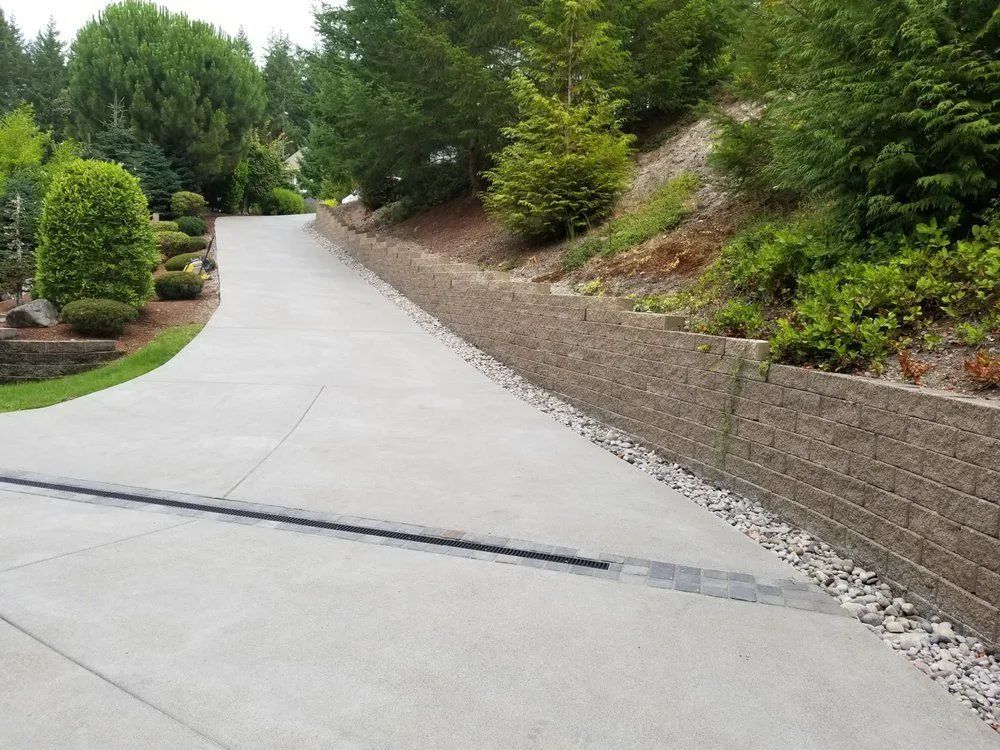
A concrete driveway is more than just a functional feature—it is an investment in your home’s aesthetics, safety, and long-term value. Durable, versatile, and visually appealing, concrete offers a superior alternative to asphalt or gravel for homeowners seeking longevity and minimal maintenance. However, like any exterior structure, a concrete driveway is exposed to natural elements, temperature fluctuations, and regular wear from vehicles and foot traffic. Without proper care, minor cracks, surface discoloration, or erosion can escalate into costly repairs, reducing both the lifespan and curb appeal of your driveway.
Understanding how to maintain your concrete driveway effectively is essential for homeowners who want to protect this investment. Routine inspections, preventive measures, and timely repairs not only preserve the surface’s structural integrity but also enhance safety and property value. This guide explores proven strategies for
concrete driveway maintenance, offering practical tips that homeowners can implement with minimal effort. By following these best practices, you can ensure that your driveway remains smooth, strong, and visually appealing for decades, making every maintenance step a smart, cost-effective decision.
Regular Cleaning and Debris Management
Daily and Seasonal Cleaning Practices
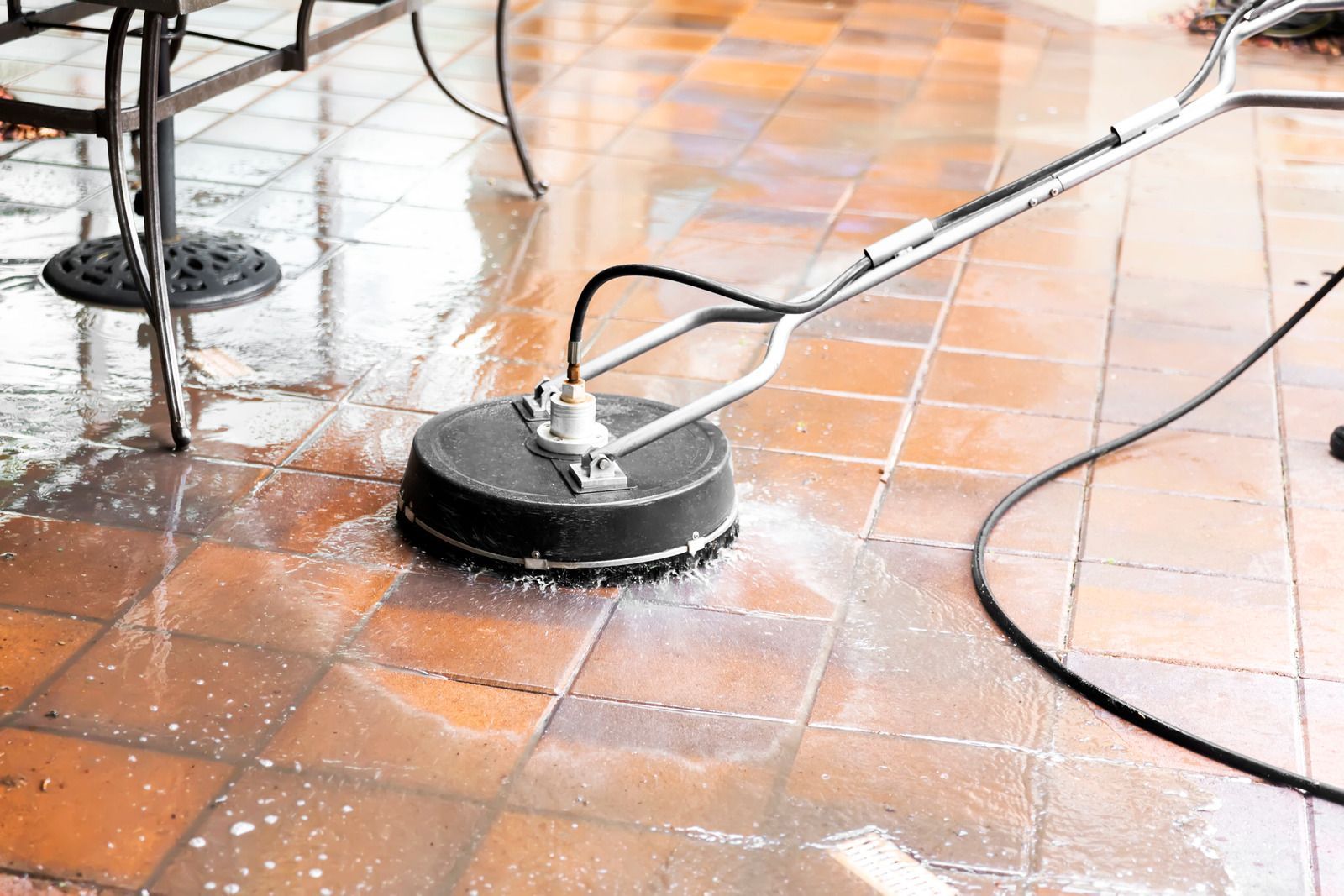
Maintaining a clean driveway is the foundation of long-term longevity and curb appeal. Dust, dirt, leaves, and other debris may seem harmless at first, but over time they can hold moisture against the concrete, fostering unsightly stains, algae growth, and surface degradation. Sweeping your driveway weekly helps remove loose particles, while seasonal washes with a garden hose or pressure washer keep the surface free from stubborn dirt, grime, and minor mold accumulation that can worsen over time.
Handling Oil, Grease, and Stains
Driveway stains are a common concern, particularly oil or grease from vehicles or machinery parked regularly. Address these promptly using a degreasing agent or specialized concrete cleaner for effective results. For minor oil spots, a paste made from baking soda and water can absorb oils before they penetrate deeper into the concrete. Prompt action prevents long-term discoloration, reduces the likelihood of surface deterioration, and helps maintain the driveway’s overall aesthetic appeal.
Importance of Drainage
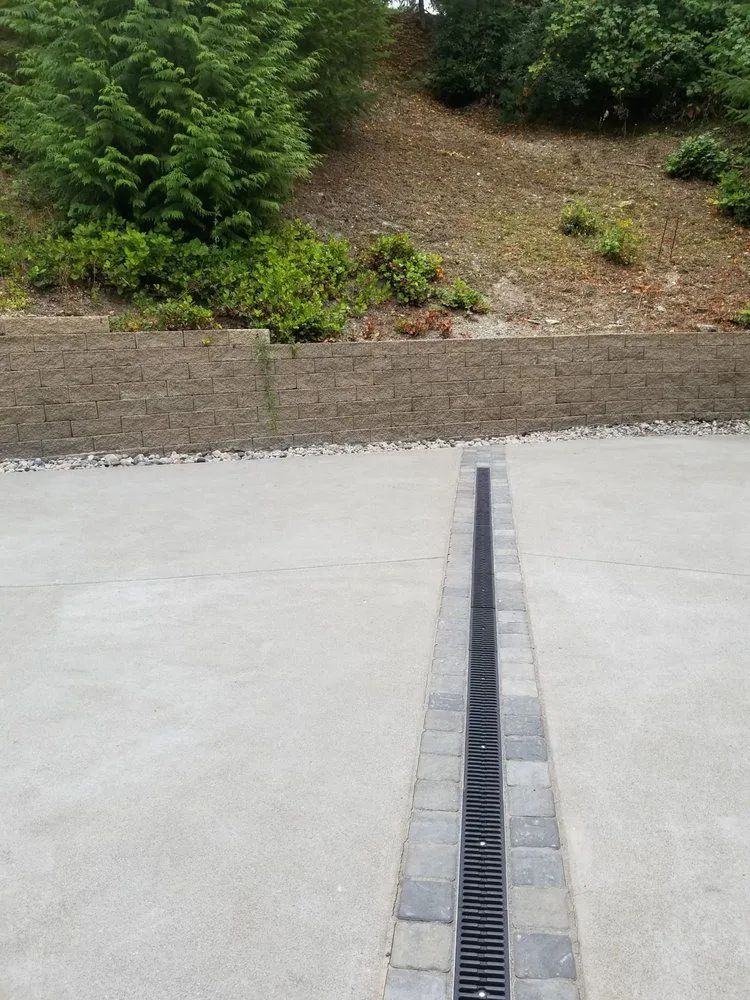
Effective drainage prevents water pooling, which can slowly erode the surface and eventually lead to cracks or structural damage. Ensure that downspouts and adjacent landscaping do not channel water directly onto the driveway, which can weaken the concrete over time. Installing a gentle slope, surface drains, or a French drain can significantly reduce water-related damage, particularly in areas with heavy rainfall, frequent snow, or seasonal thawing conditions.
Inspection and Crack Management
Routine Inspections
Regularly inspecting your concrete driveway allows you to detect small issues before they escalate into costly repairs or unsafe conditions. Look for signs of cracking, spalling, or surface wear at least twice a year—preferably in spring and fall when weather conditions are moderate. Early detection ensures that minor issues, such as hairline cracks or surface pitting, are treated promptly, reducing repair costs and preventing further structural deterioration over time.
Identifying Types of Cracks
Not all cracks are equal in severity or potential damage. Hairline cracks are often cosmetic and may result from minor settling or shrinkage during curing, while larger cracks may indicate foundational issues, excessive stress, or improper installation. Mapping and photographing cracks over time can help homeowners track progression and determine when professional intervention is necessary for long-term safety and structural stability.
Repair Techniques
For small, superficial cracks, concrete fillers or sealants are effective and easy to apply. Larger cracks may require patching with a concrete mix and proper curing to prevent future separation or widening. In some cases, cutting out and replacing sections of damaged concrete ensures long-term durability and a seamless appearance. Always follow manufacturer instructions and allow sufficient curing time for repairs to achieve a strong, resilient finish that lasts for years.
Sealing for Protection
Benefits of Sealing Concrete
Sealing a concrete driveway provides a protective barrier against water infiltration, oil stains, and freeze-thaw damage caused by seasonal weather changes. A high-quality concrete sealer enhances the surface’s durability while maintaining its aesthetic appeal and visual uniformity. Sealers can also reduce surface wear from foot traffic, vehicle movement, and exposure to harsh weather, effectively prolonging the driveway’s life while keeping it looking clean and professionally maintained over time.
Choosing the Right Sealer
There are multiple types of concrete sealers available, including penetrating, acrylic, and epoxy-based options for different needs. Penetrating sealers work by absorbing into the concrete and preventing water damage without altering the surface’s natural appearance. Acrylic sealers create a protective layer on the surface, enhancing color, sheen, and visual consistency. Epoxy sealers provide maximum protection in high-traffic areas but usually require professional application. Selecting the correct sealer depends on your driveway’s usage, exposure, and desired long-term finish.
Application Tips
Apply sealers when the surface is clean, free of debris, and completely dry to ensure proper adhesion and effectiveness. Typically, sealing every 2–3 years is recommended, but high-traffic areas may require more frequent application. Use a roller or sprayer for even coverage, and allow adequate drying time to achieve optimal protection. Avoid sealing during extreme temperatures, rainy conditions, or high humidity, as these factors can compromise adhesion and reduce the sealer’s long-term performance significantly.
Seasonal Maintenance and Weather Considerations
Winter Care
Concrete is highly susceptible to freeze-thaw cycles, which can cause cracking, scaling, and surface spalling if left unprotected. To prevent damage, avoid using harsh de-icing chemicals such as rock salt, which can slowly erode the surface and weaken the concrete structure. Instead, opt for sand or non-corrosive alternatives to maintain traction. Snow should be removed promptly using a plastic shovel or snow blower to minimize scratching and avoid excessive wear caused by scraping tools.
Summer and Heat Protection
Excessive heat and direct sunlight can lead to surface cracks, fading, and premature aging of concrete driveways over time. Minimize exposure by limiting parking in direct sunlight during peak heat hours or using protective coverings when possible. Regular sealing also reduces the risk of heat-related damage by preventing moisture loss, surface oxidation, and potential cracking from thermal expansion during prolonged heat periods.
Rain and Moisture Management
During wet seasons, monitor for pooling water, surface erosion, or minor flooding around the driveway area. Proper grading ensures runoff flows away from the driveway, preventing water accumulation that can weaken the concrete over time. Addressing these issues early reduces the risk of large-scale damage, such as heaving, widespread cracking, or water infiltration into the subgrade, which could compromise the driveway’s longevity and safety.
Preventive Measures for Longevity
Avoiding Heavy Loads
Concrete driveways are durable but can be damaged by excessive weight, particularly from large trucks, construction equipment, or recreational vehicles. Avoid parking heavy loads on your driveway for extended periods, as even occasional weight stress can contribute to surface cracks, structural stress, or subgrade movement. Monitoring vehicle weight and distribution ensures the driveway remains safe and maintains its integrity for years.
Landscaping and Root Control
Tree roots, shrubs, and other landscaping elements can interfere with the concrete’s stability and cause uplift or cracking over time. Plant trees and shrubs at a safe distance from the driveway to prevent root intrusion, which can lift or crack the surface. Regular trimming, root management, and monitoring surrounding vegetation maintain both aesthetic appeal and structural integrity, preventing long-term damage to the driveway.
Protective Mats and Wheel Stops
Using rubber mats in areas where vehicles frequently park helps distribute weight and reduces surface wear, preventing minor cracks or scuff marks. Wheel stops at the edge of driveways prevent tires from scraping curbs or landscaping features, protecting both the concrete and surrounding property. Incorporating these protective measures reduces surface deterioration and keeps the driveway looking well-maintained over the long term.
Professional Maintenance and Renovation
When to Hire Experts
While DIY maintenance is effective for minor issues, professional evaluation is recommended for significant cracks, uneven surfaces, or persistent drainage problems. Experienced contractors can assess the driveway’s condition, identify underlying causes, and implement long-term solutions that prevent recurring issues. Seeking expert guidance ensures the repair or maintenance is done correctly and extends the lifespan of your concrete investment substantially.
Resurfacing Options
Concrete resurfacing is an excellent solution to revitalize worn, stained, or discolored driveways without complete replacement. A thin overlay restores smoothness, corrects minor imperfections, and enhances appearance, significantly extending the life of the driveway by several years. Professional resurfacing ensures a durable, aesthetically appealing surface that functions well under regular traffic.
Long-Term Maintenance Plans
Establishing a long-term maintenance plan with professional contractors ensures consistent care, including routine inspections, cleaning, sealing, and repairs. Such plans help reduce unexpected costs, prolong durability, and maintain the driveway’s visual appeal. Implementing a structured maintenance schedule protects your investment over decades while minimizing the need for costly, emergency repairs in the future.
Reliable Concrete Care from Concord’s Skilled Professionals
At Aloha Concrete and Design, we bring over 20
years of expertise to every concrete project. Based in Concord, California, our team specializes in concrete design, installation, and maintenance, delivering results that combine aesthetics with structural integrity. We understand the nuances of driveway care and offer personalized solutions tailored to your property. From routine maintenance advice to professional repair and resurfacing services, Aloha Concrete and Design
is committed to ensuring your driveway remains durable, safe, and visually stunning for years to come. Trust our experience to protect your investment with precision and care.