Transforming Outdoor Living Spaces with Concrete Patios
March 24, 2026
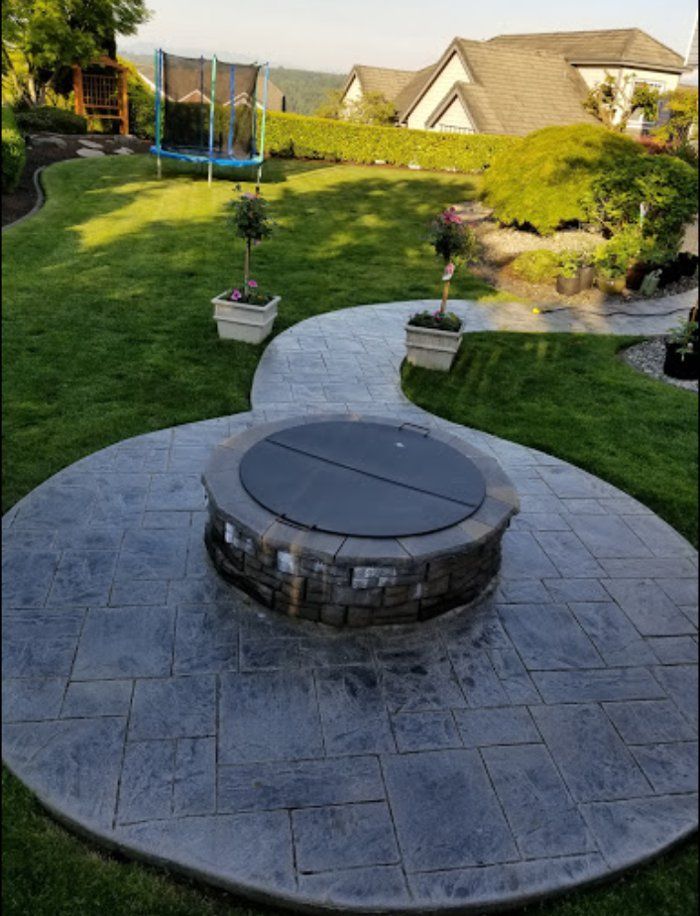
Creating an inviting and functional outdoor living space has become a priority for homeowners who value both aesthetics and practicality. In today’s home improvement landscape, concrete patios have emerged as a versatile solution for transforming backyards, gardens, and poolside areas into areas of comfort, entertainment, and relaxation. Unlike traditional landscaping options, concrete allows for a blend of durability, style, and customization, making it a preferred choice for modern outdoor living projects. From sleek, contemporary designs to textured, rustic finishes, concrete patios offer a range of possibilities that elevate the overall value and appeal of any property.
Beyond aesthetics, concrete patios serve as a practical foundation for outdoor activities. They provide a stable, low-maintenance surface that can withstand heavy foot traffic, outdoor furniture, and seasonal weather changes. Homeowners benefit from enhanced outdoor usability, whether for hosting gatherings, enjoying family time, or creating serene personal retreats. As lifestyle trends continue to prioritize outdoor living, understanding the design, construction, and maintenance of concrete patios has never been more relevant. This blog will explore actionable insights, design strategies, and expert recommendations for creating exceptional concrete patios that enhance functionality, beauty, and long-term value.
Planning Your Concrete Patio
Assessing Space and Functionality
Before installing a concrete patio, it is essential to evaluate the available outdoor area and determine its intended use. Consider the dimensions of the space, the flow of movement, and how the patio will integrate with existing landscaping. A well-planned layout ensures that the patio complements your home’s architecture and meets your lifestyle needs. For instance, a patio designed for entertaining may require a larger footprint to accommodate dining furniture, a barbecue area, and seating zones. Conversely, a small backyard retreat might focus on intimacy and visual appeal, incorporating planters and decorative elements.
Choosing the Right Patio Type
Concrete patios come in various forms, each offering distinct advantages. Standard poured concrete provides a smooth, durable surface suitable for high-traffic areas. Stamped concrete mimics natural materials like stone, brick, or wood, adding texture and visual interest. Exposed aggregate concrete highlights the natural beauty of pebbles and stones, creating a slip-resistant surface ideal for poolside patios. Selecting the right type depends on your design goals, budget, and maintenance preferences. Engaging with design software or consulting with a contractor can help visualize the final layout and material selection.
Budgeting and Timeline Considerations
Concrete patio projects require careful financial planning. Costs are influenced by material choice, design complexity, site preparation, and labor. Setting a realistic budget ensures that homeowners can achieve their desired patio without overspending. Additionally, understanding project timelines helps manage expectations, as concrete curing and finishing require specific conditions for optimal durability. Seasonal weather can also affect the scheduling, with milder months offering the best conditions for pouring and curing. Proper planning at this stage prevents delays, cost overruns, and subpar outcomes.
Design Strategies for Impactful Patios
Incorporating Style and Aesthetic Elements
The visual appeal of a concrete patio is largely determined by its design elements. Homeowners can incorporate color, texture, and patterns to match the home’s exterior or create a unique statement. Stained concrete allows for vibrant or subtle color palettes, while stamped designs replicate natural stone or intricate geometric patterns. Integrating borders, medallions, or decorative inlays further enhances visual interest and can define different functional zones within the patio space.
Maximizing Outdoor Living with Layout Choices
Effective layout planning improves both aesthetics and usability. Designing the patio with multiple zones—such as dining, lounging, and cooking areas—creates a sense of organization and flow. Consider pathways connecting the patio to gardens, pools, or other outdoor amenities. Including pergolas, shade structures, or built-in seating enhances comfort while encouraging year-round use. Lighting elements, such as recessed LED fixtures or landscape spotlights, extend usability into evening hours and highlight design features.
Blending with Landscaping and Hardscapes
A well-designed patio seamlessly integrates with surrounding landscaping. Plant beds, trees, and ornamental grasses soften the concrete’s edges, creating a natural, inviting environment. Hardscape features such as retaining walls, fire pits, and water elements can complement the patio while adding functionality and focal points. Thoughtful integration ensures that the patio enhances, rather than competes with, the overall outdoor setting.
Construction and Material Considerations
Site Preparation and Excavation
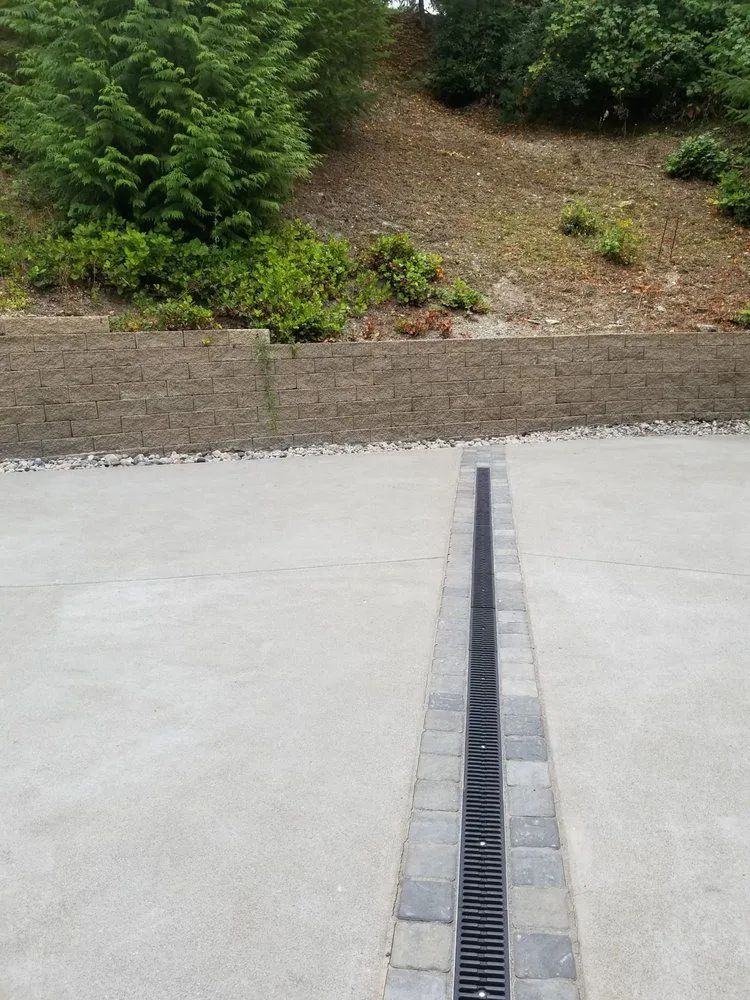
Successful patio construction begins with proper site preparation. Excavating the area to a suitable depth ensures stability and prevents future cracking. Soil compaction is critical, as uneven or unstable ground can compromise the concrete’s structural integrity. Installing a layer of gravel or crushed stone promotes drainage, reducing the risk of water pooling and long-term damage. Professionals often use forms to define the patio’s shape and edges, ensuring precise alignment and clean lines.
Concrete Mix Selection
Selecting the appropriate concrete mix impacts both strength and finish. Standard concrete with a mix ratio of cement, sand, aggregate, and water provides adequate durability for most residential patios. For high-traffic areas or heavy furniture, reinforced concrete with wire mesh or rebar enhances structural integrity. Specialty mixes, such as colored or polymer-modified concrete, allow for enhanced aesthetics, flexibility, and resistance to environmental wear. Choosing the right mix requires understanding load requirements, exposure conditions, and desired appearance.
Finishing Techniques
Concrete finishing determines both appearance and functionality. Smooth finishes create a contemporary look but may require anti-slip treatments for safety. Textured finishes, like brooming or stamping, provide traction and aesthetic appeal. Exposed aggregate finishes showcase decorative stones while offering slip resistance. Additionally, applying sealers protects the concrete from staining, moisture, and UV damage, prolonging its life and maintaining visual appeal. Proper curing practices ensure that the concrete reaches optimal strength and durability.
Maintenance and Longevity
Regular Cleaning and Upkeep
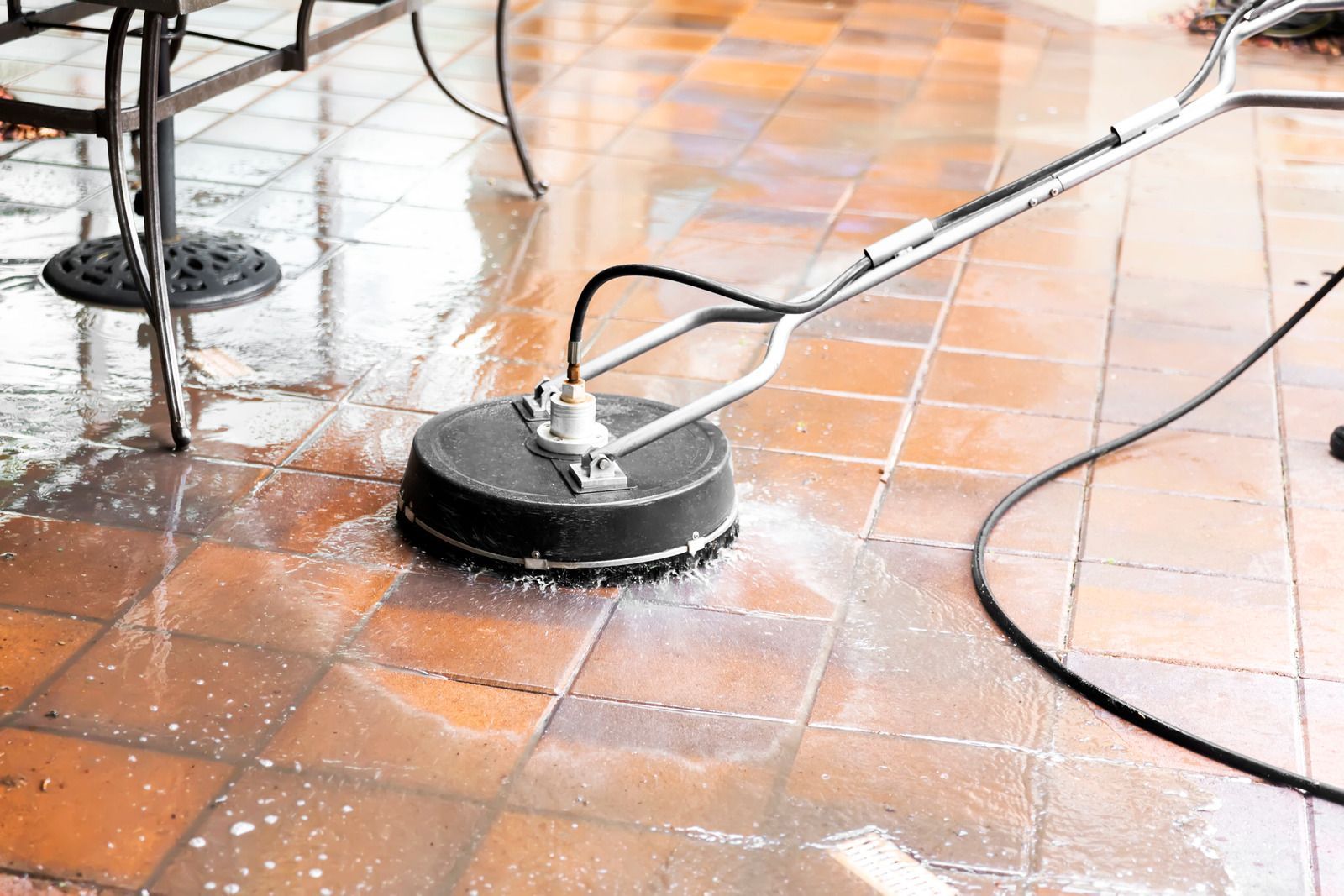
Maintaining a concrete patio involves routine cleaning to prevent buildup of dirt, debris, and organic matter. Sweeping and washing with mild detergents keep surfaces looking fresh while preventing staining and moss growth. For stained or stamped concrete, periodic application of sealers enhances color vibrancy and protects against environmental wear.
Addressing Cracks and Repairs
Even with proper installation, minor cracks may develop over time due to thermal expansion or ground movement. Prompt attention prevents further damage and preserves structural integrity. Small cracks can often be repaired with concrete fillers, while larger issues may require professional assessment. Preventative measures, such as controlling water runoff and limiting heavy loads, reduce the risk of significant deterioration.
Seasonal Considerations
Climate affects concrete longevity. Freeze-thaw cycles can cause surface damage if the patio is not adequately sealed. In regions with extreme heat, thermal expansion may lead to minor cracking. Choosing appropriate sealers and finishes, alongside strategic landscaping for shade and drainage, helps mitigate environmental stressors, ensuring that the patio remains functional and visually appealing for years.
Benefits of Concrete Patios
Durability and Longevity
One of the most significant advantages of concrete patios is their durability. Unlike wood, composite, or paver options, concrete can withstand heavy use, extreme weather, and frequent foot traffic without losing structural integrity. With proper installation and maintenance, concrete patios can last decades, offering long-term value and minimal replacement costs.
Customization and Design Flexibility
Concrete allows homeowners to achieve virtually any aesthetic vision. From contemporary minimalist patios to rustic, stone-like designs, concrete’s versatility accommodates various textures, colors, and patterns. Creative finishes, integrated lighting, and custom shapes enable homeowners to tailor their outdoor space to match personal style and functional needs.
Low Maintenance and Cost Efficiency
Compared to alternative materials, concrete patios require minimal upkeep. Routine cleaning, resealing every few years, and minor repairs are typically sufficient to maintain both appearance and functionality. This low-maintenance profile, combined with concrete’s longevity, makes it a cost-effective solution for homeowners seeking both value and aesthetic appeal.
Increased Property Value
Investing in a well-designed concrete patio enhances curb appeal and overall property value. Real estate experts note that functional outdoor living spaces significantly influence buyer interest. A professionally designed patio creates an inviting environment for entertaining, relaxation, and family activities, making the property more attractive in competitive housing markets.
Dependable Patio Solutions From Seasoned Concrete Specialists
Concrete patios offer a unique blend of functionality, style, and longevity, making them an essential component of modern outdoor living spaces. From planning and design to construction, finishing, and maintenance, each stage plays a critical role in achieving a durable, attractive, and versatile patio. By understanding material choices, design strategies, and upkeep requirements, homeowners can create an outdoor environment that enhances both daily living and property value.
For homeowners seeking reliable and expert guidance in designing and installing concrete patios, Aloha Concrete and Design
provides over 20 years of experience transforming outdoor spaces in Concord, California. Specializing in concrete and design services, the company combines technical expertise with creative solutions to deliver patios that meet both aesthetic and functional goals. Their team works closely with clients to understand unique needs, select appropriate materials, and implement designs that blend seamlessly with existing landscapes. From decorative finishes to custom layouts, every project is approached with precision, professionalism, and attention to detail. Aloha Concrete and Design
emphasizes durable construction, low-maintenance solutions, and personalized service, ensuring that each patio not only looks exceptional but stands the test of time. Whether enhancing a backyard retreat, creating an entertainment space, or adding value to a home, partnering with trusted professionals guarantees lasting results. With their commitment to quality and client satisfaction, Aloha Concrete and Design
remains a leader in concrete patio design and installation.